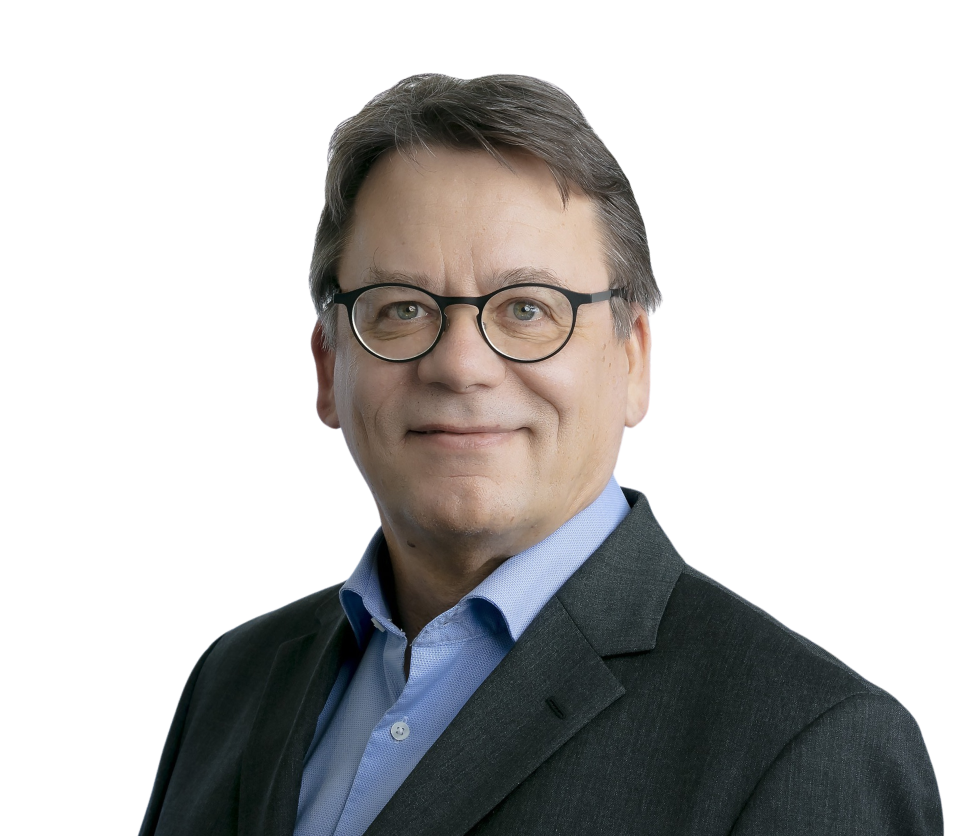
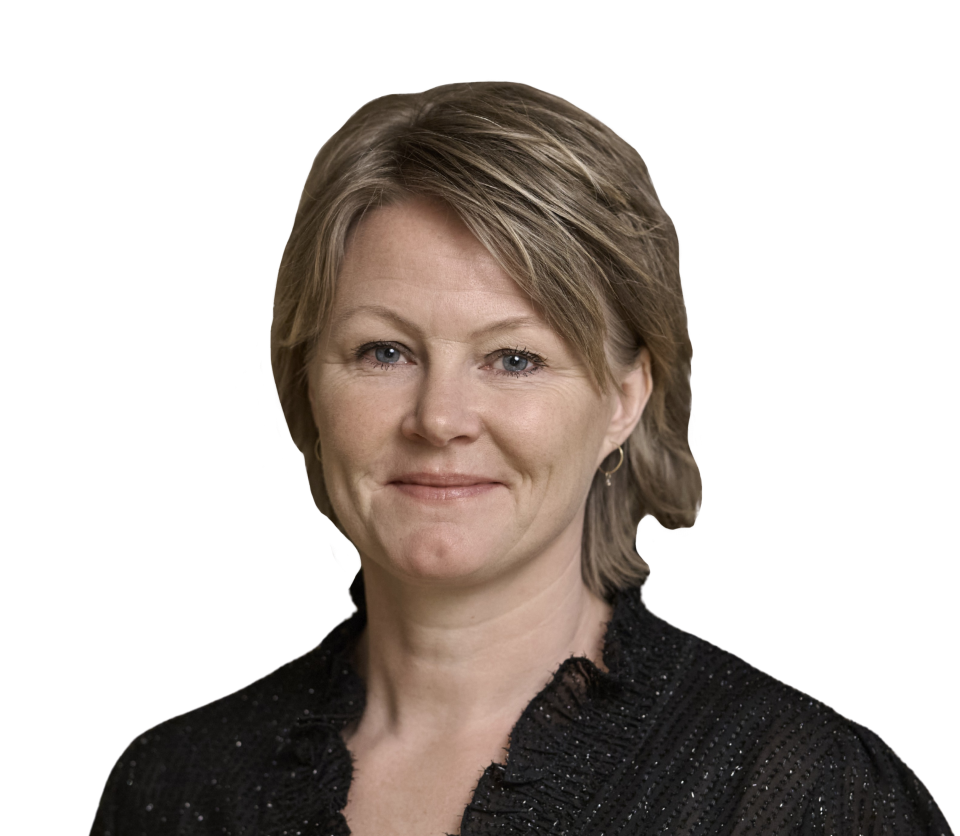
Meet Our Featured Speakers














DECARBONISATION
The European biogas economy is expanding rapidly, supported by the EU’s Green Deal and REPowerEU targets for 35 bcm of biomethane production by 2030, which will generate millions of jobs worldwide across the energy, agriculture, and waste sectors. Biogas and biomethane are now widely recognised as essential solutions for reducing greenhouse gas emissions. While the industry has long depended on fossil-based energy, the shift to renewable gas continues to gather momentum. In the coming years, numerous large-scale anaerobic digestion plants and biomethane upgrading projects are anticipated to commence operations, forming decentralised energy hubs with far-reaching benefits. By 2030, biogas is expected to play a central role in replacing fossil-derived fuels across transport, heating, and industries. Applications include biomethane injection into national grids, renewable gas for heavy-duty vehicles, and its use in fertiliser production. Analysts predict that by 2050, the strongest demands will arise from the transport and industrial sectors, while agriculture will remain a core driver.
Show more




Topics on the agenda
EXPERIENCE IN BUILDING THE BIOMETHANE MARKET IN THE NORDICS
Day 1: undefined
09:40 - 10:05
TRADING THE MULTIPLE EUROPEAN BIOGAS MARKETS
Day 1: undefined
11:00 - 11:25
TOWARDS ZERO WASTE ANAEROBIC DIGESTION, BIOLOGICAL METHANATION, AND CO₂ VALORISATION
Day 1: undefined
11:30 - 11:55
SUBSCRIBE FOR UPDATES
By submitting, you agree to receive email communications from the event organizers, including upcoming promotions and discounted tickets, news, and access to related events.